The differences with fashion in youth culture markets vs. older markets (those 26 ) is that trends often come from the bottom-up”, rather than from the 26 top-down. What we mean is that young people tend to pick up their ideas for fashion from each other, from utilitarian means, out of necessity, from the streets, grassroots word-of-mouth awareness, or their surroundings in general, rather than from the latest trends dictated by fashion houses, advertising, or marketing efforts on TV as a prime example.
When it comes to their spending patterns, they also exhibit a great amount of consumer control, like an inverse pyramid, which has always challenged traditional advertising and marketing in general. One reason for this is that friends exhibit a great amount of influence to young people’s budding sense of identity and being unique. To be clear, “unique” in America has a different meaning than unique in Japan or China (as seen in our Japan and China Youth Culture Studies). In Japan and China, there’s less of a desire to being individual as in alone as there is to being individual as a group or “group individuality.” In North America, there’s a stronger sense of being individual - even if there are some aspects that are the same (but unique) within your own group of friends.
Secondly, the youth market in North America, while having more than $165 billion in spending power, is relatively “poor” when it comes to making purchasing choices influenced by high-end couture brands featured in top fashion magazines. They shop where their parents drop them off -and it’s more apt to be a Target than a Prada store. In addition, more young people are moving online for shopping, especially once they’re able to gain access to a credit card or their parent’s credit card. Their DIY sensibilities often result in making fashion their own, using personal creativity such as cutting trimming, adding buttons, stitches, stencils, and silk-screens. However consumer control in youth culture is increasing and more noticeable in the new year as young people continue to make decisions based on increased access to communication tools, online shopping, cell phones/texting/images, influences from the street -and then spreading ideas quickly, often virally (through word- of-mouth as well as social online networks) through their friends.
By the very nature of youth, who rarely have access to couture styles, much less the money it takes to wear Dolce & Gabanna, their trends come from utilitarian means -usually what’s available to them -inspired from their surroundings. Which now can mean where they visit mostly in online destinations. Therefore many fashion styles in youth culture result in a collage-effect, very DIY, that is far more creative and expressive than older generation’s styles which are usually more put-together based on a specific theme and tend to be more expensive. Overall, such raw energy and newness is what’s exciting about fashion in youth culture: They develop lightening fast, are often curious and ironic, but always highly motivated by self-expression.
By looking at the lifestyle aspects that inspire the most self-expression is to gain an edge in where fashion trends in youth culture are headed. The majority of this comes from examining trends in music.
Streetwear fashion tends to come from influences from music and musicians, which is why this subculture continues to attract a large following.
Streetwear also has an independent streak to it–a very DIY aesthetic -and represents a strong reflection to what’s going on in youth culture in general.
Brands in streetwear have taken cues from a large cross-section of music, including rock ‘n rave, electronica, hip-hop, punk, and indie. Certain brands clearly identify with a specific genre such as Kill Shop Kill and the “Trouble & Bass” scene in New York City, or Hellz Bellz mix of mod and Vivienne Westwood with punk and old-school hip-hop, or Palis and the mixed-tape era, among others. Rave is a predominate theme in many streetwear brands this coming season, with bright colors and an early ’90′s reflection, however it’s recontextualized in the American version mixing up themes in graphics, revolutionaries in patterns, with a hip-hop vibe in many cases.
In addition, streetwear fashion is moving in more directions such as premium denim, accessories, caps, and suit jackets among more upper urbanwear labels.
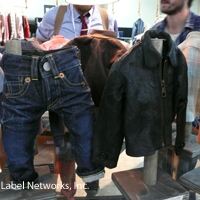
The premium contemporary styles include a dressed-up feel that have moved beyond the all-over-print hoodie version for a classic look -often including tailored jackets with ironic graphics, or denim with intricate pocket stitching, graphics, or even colored denim in general (grey, purple, red, white, brown, black).
In this section, we take a look at the results to store preferences in shopping.
What type of store do you prefer to shop at?
Looking at a representative sample of 15-35-year-olds across America including various locations outside of typical “sample” cities such as Los Angeles, New York, and Chicago, 66.6% overall shop mostly in Malls. While this seems to clearly outstrip other locations such as Specialty Boutiques, it’s important to note that this is the landscape of the population overall within this age group and for many people, depending on where they live, Malls are their only option. This is also the case for many people who shop at Wal-Mart and Target as well. As we’ve noted over the years, as the number of Specialty Boutiques continues to increase, it’s important to note that the landscape of retail in America is still very much centered around Malls -even though many people say they prefer to shop there because it’s their only option.
It’s important to note however, the other shopping location preferences, and at Label Networks, we’ve seen some major shifts, including the increase in Online as a location for shopping, and coming in 2nd overall at 7.2%, followed by Surf/Skate stores (which tends to skew slightly younger and has decreased over the years as action sports lifestyles and influences have decreased when it comes to streetwear and lifestyle fashion). This is followed by Boutiques at 4.7%, Thrift/Vintage at 4.5%, and Other, which adds to a mixture of different types of shopping experiences, including Pop-up Retail or stores that are in a specific location for a short amount of time before going underground again and popping up elsewhere. Other also includes a high percentage of young people who “shop” at music events, tours, and festivals which indicates the growing importance of music influences in fashion and shopping habits in general as merch becomes a key part of street culture lifestyle.